Posted on September 24, 2018
Petroleum Handling Pass-Off
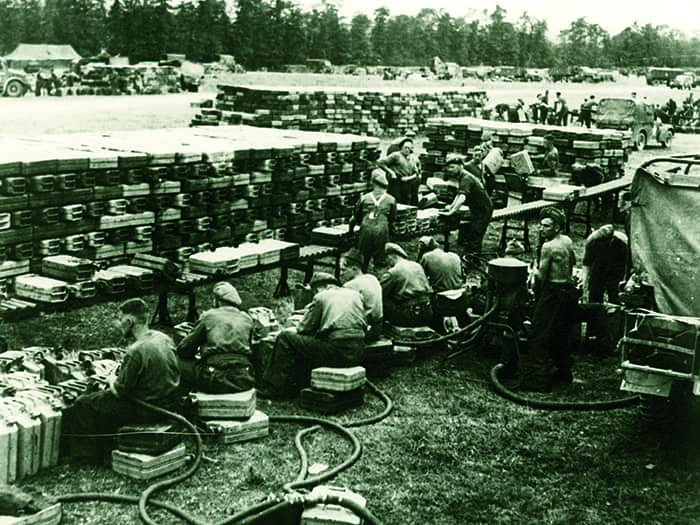
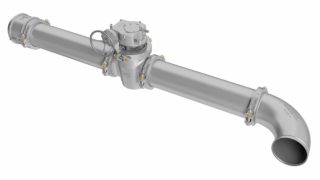
What started as humble beginnings and a solution to a complex problem has grown to standard practice for several branches of the military. In the early 1900’s, the means of transporting fuel was hugely flawed. When pressurized, the pipes or hoses often separated and dispensed oil all over the operator. Not efficient or safe. The creation of the Victaulic joint accommodated the needs of the U.S. military and altered the outlook of the industry and industries to come. Petroleum pipe fittings have been essential in a simplified hand-off process that allows no time for casual exchanges.
Today, we see the collaboration between several branches of the armed forces to store and distribute fuel products from beaches to forward operating bases. It’s quite the hand-off. Sergeant Sung Guk Byun wrote an article on the coordination and interoperability between our military forces during standard operating procedures for fuel distribution to maintain the Inland Petroleum Distribution System in Pohang, South Korea. Read more here.